Choosing the Right Element Infographic Template Design for Your Project
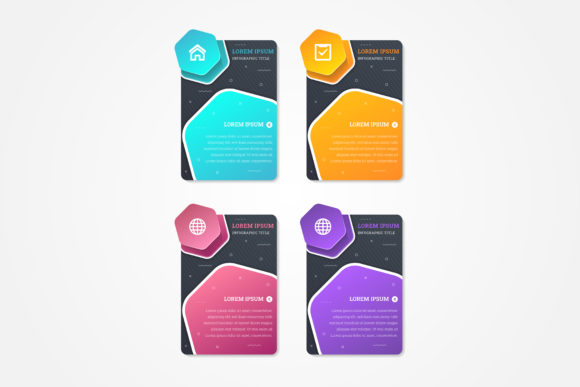
When it comes to presenting complex information clearly, an element infographic template design can be a powerful tool. These templates provide a structured visual layout that helps organize data, making it easier to understand and more visually engaging. Whether you're a marketer, educator, or small business owner, using the right infographic design can elevate your message and improve communication with your audience.
However, not all infographic templates are created equal. Many people rush into selecting or using a design without considering key factors that affect the final result. This oversight can lead to poor visual quality, miscommunication, or wasted time and money. Understanding common mistakes and overlooked details can help you make a smarter choice when working with element infographic template designs.
Common Mistakes When Selecting Infographic Templates
One of the most frequent errors is choosing a template based solely on aesthetics. While a visually appealing design might catch your eye, it may not suit your specific content or audience. For instance, a template designed for scientific data might not work well for a business presentation. The layout, spacing, and color scheme should all align with the type of information you're presenting.
Another common mistake is overlooking file formats. Many designers download a template only to realize it's not compatible with their software. Always check if the element infographic template design comes in AI, EPS, JPG, and PNG formats. This ensures flexibility for editing, printing, and digital use.
How Template Choice Affects Usability and Quality
Selecting the wrong template can significantly impact how well your infographic communicates your message. If the layout is cluttered or poorly structured, your audience may struggle to follow the information flow. This can reduce engagement and diminish the effectiveness of your content.
Additionally, low-quality templates often use generic icons or outdated visuals that don't reflect your brand identity. This mismatch can make your content appear unprofessional or inconsistent with your other marketing materials. It's worth investing in a high-quality, customizable element infographic template design that supports your branding and message goals.
Overlooked Details in Infographic Template Use
Many users underestimate the importance of scalability. If you plan to use your infographic across different platforms—such as a website, printed poster, or social media—you'll need a template that maintains quality at various sizes. Vector formats like AI and EPS are ideal for this, as they allow for resizing without loss of clarity.
Another overlooked detail is the ease of customization. Some templates come with complex layers or locked elements that make editing difficult. Before finalizing your choice, test how easy it is to modify text, colors, and graphics. A good element infographic template design should allow for straightforward adjustments without compromising the overall layout.
Practical Advice for Choosing the Right Design
Start by identifying your core message and audience. This will guide your choice of layout, color scheme, and visual elements. For example, a clean, minimalist design may work best for a professional audience, while a more colorful, dynamic layout might appeal to younger viewers.
Always preview the template with your own content before making a final decision. This helps you see how well the design accommodates your data and whether it enhances readability. If possible, choose templates that include multiple layout variations so you can adapt them to different formats or platforms.
Realistic Examples of Better Template Use
Consider a small business owner creating a product comparison infographic. If they choose a template with uneven spacing or confusing icons, the viewer might misinterpret the features being compared. However, by selecting a well-structured element infographic template design with clearly labeled sections and consistent visuals, they can ensure clarity and professionalism.
Similarly, a teacher designing an infographic for classroom use might initially pick a template with small text and crowded visuals. This could make the content hard to read on a projector screen. By opting for a design with ample white space and legible fonts, the teacher improves comprehension and engagement for students.
What to Check Before Downloading or Buying a Template
Before finalizing your choice, verify the following details:
- File formats: Ensure the template includes AI, EPS, JPG, and PNG files for maximum flexibility.
- Customization options: Check if you can easily edit text, colors, and graphics without distorting the layout.
- Compatibility: Confirm that the template works with your preferred design software, such as Adobe Illustrator or Photoshop.
- Usage rights: Make sure the license allows for both personal and commercial use, especially if you're creating content for a business.
- Support and documentation: Look for templates that come with instructions or support in case you encounter issues during editing.
By taking these factors into account, you’ll avoid common pitfalls and ensure that your element infographic template design supports your goals effectively.
Improving Efficiency and Satisfaction with the Right Template
The right element infographic template design doesn't just look good—it streamlines your workflow and enhances your message. A well-designed template saves time by reducing the need for extensive layout adjustments. It also ensures consistency across your materials, which builds trust with your audience.
On the other hand, rushing into a decision without considering these factors can lead to frustration, rework, and a final product that falls short of expectations. By approaching your template selection thoughtfully, you can create infographics that are both visually appealing and functionally effective.
Whether you're a beginner or a seasoned professional, investing time in understanding what makes a good element infographic template design will pay off in the clarity and impact of your visual content. Avoid common mistakes, test your choices, and always prioritize usability alongside aesthetics for the best results.