Bullets Puzzle Infographic Template: A Versatile Design Tool for Visual Storytelling
What Is the Bullets Puzzle Infographic Template?
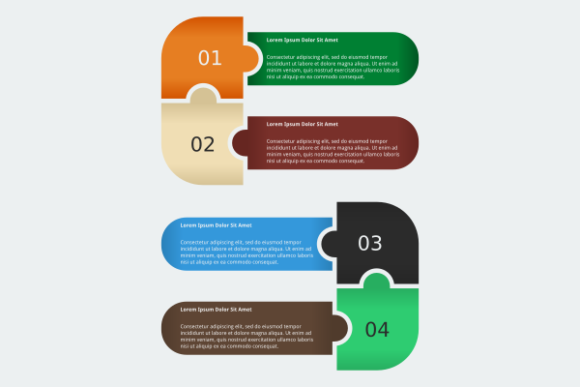
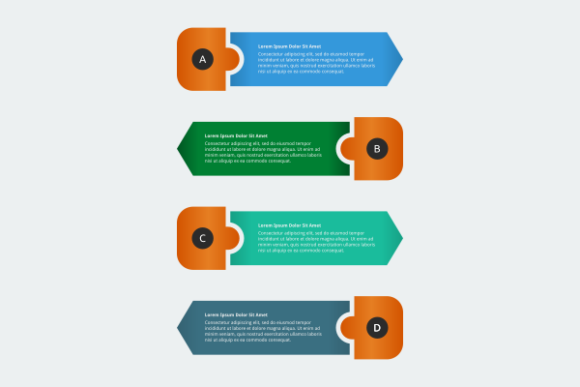
The Bullets Puzzle Infographic Template is a visually engaging, editable SVG vector file designed to help users present information in a structured yet creative format. At a glance, it resembles a puzzle, with each piece containing a bullet point or key message. This modular design makes it ideal for infographics, banners, presentations, and data visualizations. The template also comes with EPS, PDF, and high-resolution PNG files, making it adaptable for both digital and print use.
Real-World Uses Across Industries
Designers, marketers, educators, and business professionals are finding innovative ways to incorporate the Bullets Puzzle Infographic Template into their work. Its flexibility allows it to be repurposed across different industries and platforms:
- Marketing Campaigns: Use the puzzle format to break down campaign goals, audience segments, or performance metrics into digestible pieces. Each puzzle section can represent a different marketing channel or KPI.
- Corporate Training: HR departments can visually outline company values, onboarding steps, or compliance guidelines using each puzzle piece as a core learning point.
- Healthcare Communication: Clinics and wellness centers can use the template to explain treatment plans, wellness tips, or patient care steps in a clear, engaging layout.
- Education: Teachers can customize the template to summarize historical events, scientific processes, or literary themes, helping students connect the dots visually.
How Different Users Benefit
Each user brings a unique perspective and need to the table, and the Bullets Puzzle Infographic Template adapts accordingly:
- Freelance Designers: Save time by using a ready-made layout that’s easy to edit in Inkscape or other vector software. The template gives a polished look without starting from scratch.
- Small Business Owners: Present complex ideas—like business models, customer journeys, or strategic goals—in a format that’s easy to understand during pitches or internal meetings.
- Content Creators: Use the puzzle structure to break down blog posts, YouTube video summaries, or podcast episode notes into shareable visuals for social media.
- Data Analysts: Combine the template with charts or graphs to create interactive dashboards that explain data trends in a narrative format.
Why It Works for Visual Communication
The human brain processes visuals 60,000 times faster than text. The Bullets Puzzle Infographic Template leverages this by organizing information into bite-sized, visual blocks. Each puzzle piece acts as a standalone message while also contributing to a larger narrative. This dual function makes it especially useful for:
- Explaining Processes: Whether it’s a product development timeline or a customer service workflow, the puzzle format helps illustrate each step clearly.
- Highlighting Key Points: Ideal for executive summaries, investor decks, or project recaps where clarity and impact matter most.
- Creating Interactive Content: When embedded on websites or in digital reports, the SVG format allows for hover effects or clickable sections that enhance user engagement.
Practical Examples in Action
Here are a few real-world applications that demonstrate the template’s versatility:
- Startup Pitch Deck: One puzzle piece could represent the problem, another the solution, followed by market size, business model, and growth strategy.
- Nonprofit Fundraising: Each puzzle section can outline a specific goal—donation allocation, community impact, volunteer opportunities, or success stories.
- Product Launch: Use the template to visually walk through the product’s features, benefits, target audience, and release timeline.
- Travel Brochure: Showcase different destinations, activities, or travel tips in each puzzle segment, creating a cohesive but dynamic layout.
Editing Tips and Software Considerations
The Bullets Puzzle Infographic Template is best edited using Inkscape, a free and powerful vector graphics editor. However, since it also comes in EPS and PDF formats, users with Adobe Illustrator or CorelDRAW can easily work with it too. Here are a few things to keep in mind when customizing:
- Color Consistency: Stick to a unified color palette to maintain visual harmony across puzzle pieces.
- Font Choices: Use legible fonts that match your brand or project tone. Avoid overcrowding each section with text.
- Export Settings: When exporting to PNG, ensure the resolution is high enough for print (300 DPI) or web use (72 DPI).
- Layer Management: Keep your SVG file organized by labeling each puzzle piece and its corresponding text box or graphic.
Strengths That Make It Stand Out
What makes the Bullets Puzzle Infographic Template particularly valuable is its balance of structure and creativity. Unlike static layouts, the puzzle format invites interaction and curiosity. It’s also highly scalable—whether you need a small social media graphic or a large poster, the vector format ensures crisp visuals at any size.
Additionally, because it’s built with editable layers, you can easily adjust shapes, colors, and content to fit your specific needs without losing quality.
When to Consider Alternatives
While the Bullets Puzzle Infographic Template is incredibly versatile, it may not be the best fit for every situation. If your content requires:
- Highly Complex Data Sets: A more traditional chart or graph might communicate the information more clearly.
- Linear Storytelling: For chronological narratives, a timeline-based template might be more appropriate.
- Minimalist Design: Some audiences prefer clean, uncluttered visuals, and the puzzle format may feel too busy for certain brands or messages.
In these cases, exploring other templates or layouts could better serve your goals.
Getting the Most from Your Template
To make the most of the Bullets Puzzle Infographic Template, start by outlining your core message and how each puzzle piece contributes to that message. Think of it as a storytelling tool—each section should build on the last, creating a complete picture when viewed together.
Don’t be afraid to experiment with different content types—icons, short phrases, statistics, or even mini charts can be embedded into each puzzle block. The key is to maintain visual balance and readability while delivering your message effectively.