Hand Luggage Vector Infographic Template: A Visual Tool for Airport Clarity
Streamlining Airport Communication with Visual Design
Airport logistics involve countless moving parts, and one of the most common areas of confusion for travelers is understanding hand luggage policies. The Hand Luggage Vector Infographic Template offers a clean, scalable solution for airports, airlines, and travel agencies to communicate these guidelines clearly and effectively. Whether it’s for digital signage, mobile apps, or printed brochures, this design tool ensures that essential baggage rules are presented in a visually engaging and universally understandable format.
How the Hand Luggage Vector Infographic Template Works
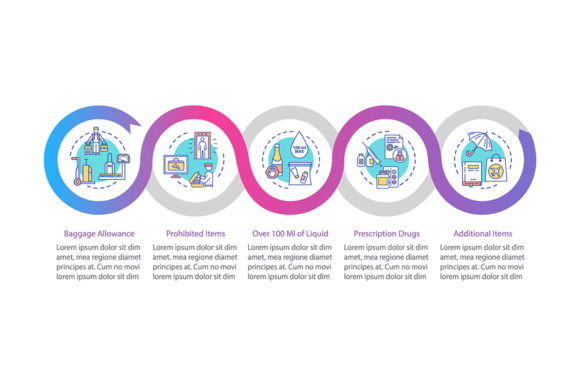
Designed with vector graphics, this template allows for high-quality scaling across various platforms. It typically includes icons representing carry-on items, size and weight limits, prohibited items, and packing tips. These elements are arranged in a timeline or process flow, making it easy for travelers to digest the information quickly. The ZIP file includes EPS and JPG formats, ensuring compatibility with both print and digital design software.
One of the standout features of this template is its use of linear icons and a five-step process timeline. This structure guides users through the hand luggage handling process—from packing at home to navigating security checkpoints and finally boarding the plane. The workflow layout ensures a logical progression that aligns with real-world traveler behavior.
Real-World Applications Across Industries
Airlines can use the Hand Luggage Vector Infographic Template to standardize their baggage policy visuals across websites and in-flight materials. This consistency helps reduce customer confusion and minimizes service inquiries at check-in counters and call centers. For example, budget airlines that charge for checked luggage can clearly illustrate what qualifies as a carry-on, helping passengers avoid unexpected fees.
Airport authorities can integrate this template into digital signage and mobile navigation apps. At major hubs with high international traffic, visual clarity is essential. The use of universal icons and minimal text ensures that the message is understood regardless of language barriers. This is particularly valuable in terminals where travelers from diverse backgrounds pass through daily.
Travel tech startups and app developers also benefit from using this template. When designing itinerary apps or travel preparation tools, integrating a standardized visual guide for hand luggage helps users pack smarter. These visuals can be embedded into packing checklists, luggage measurement tools, or even AI-powered travel assistants.
Who Benefits Most from This Template?
Graphic designers working in the travel and aviation sector will appreciate the flexibility and scalability of the Hand Luggage Vector Infographic Template. The EPS format allows for full customization, letting designers tweak colors, icons, and layout to match brand guidelines. Whether it’s a budget airline with a bold color scheme or a luxury carrier with minimalist branding, the template adapts easily.
Customer service teams benefit indirectly by reducing the number of repetitive inquiries about baggage rules. When travelers can access a clear infographic before arriving at the airport, they’re less likely to ask basic questions at the gate or during check-in. This allows service agents to focus on more complex issues and improve overall passenger satisfaction.
Freelancers and small businesses offering travel consulting or luggage manufacturing can use the template to create branded content. For instance, a luggage brand might include a customized version of the infographic in product packaging or on their website to help customers understand what fits within airline size limits. This not only adds value for the customer but also reinforces the brand’s expertise in travel logistics.
Key Considerations Before Using the Template
Before implementing the Hand Luggage Vector Infographic Template, it’s important to consider the specific audience and platform. For example, mobile users may need a simplified version with fewer details, while airport kiosks might benefit from a larger, more detailed layout. Designers should ensure that the template is localized appropriately—especially when used internationally—by adjusting measurements, currency, and language-specific icons.
Another consideration is how frequently airline policies change. While the template offers a great foundation, it should be reviewed and updated regularly to reflect current regulations. Airlines and travel platforms should have a system in place to refresh visual content as needed, ensuring accuracy and relevance.
Accessibility is also a critical factor. Designers should test the infographic with different color contrast settings and consider offering a text-based alternative for users with visual impairments. Since the template is vector-based, adjustments for accessibility can be made without compromising image quality.
Strengths and Limitations of the Template
The main strength of the Hand Luggage Vector Infographic Template lies in its adaptability. Whether used for print, digital, or multimedia applications, it provides a consistent visual language that enhances user experience. Its five-step process model aligns with how travelers naturally think about their journey, making it easier to absorb key information without cognitive overload.
However, one limitation is that it may not cover all airline-specific nuances out of the box. For example, some airlines have unique policies regarding sports equipment, musical instruments, or medical devices. In such cases, the template may need to be supplemented with additional visuals or text to ensure completeness.
Also, while the template excels in visual clarity, it assumes a certain level of prior knowledge from the viewer. First-time travelers or those unfamiliar with air travel may still need more detailed explanations alongside the infographic. Therefore, it works best when integrated into a broader informational ecosystem that includes FAQs, customer support, and interactive tools.
Practical Examples of Use
At Heathrow Airport, digital screens display a version of the Hand Luggage Vector Infographic Template near security checkpoints. This helps passengers quickly identify whether their bags meet size restrictions before entering the queue, reducing delays and improving flow efficiency.
A low-cost airline in Southeast Asia customized the template to reflect regional baggage rules and included it in their mobile app. Users can tap on each step to see detailed explanations, turning a static infographic into an interactive guide. This approach has led to a 20% drop in baggage-related complaints during boarding.
A travel blog focused on budget travel embedded the infographic into a post titled “How to Pack Light and Avoid Checked Bag Fees.” The visual quickly became one of the most shared images on the site, helping readers grasp the essentials of carry-on travel in under a minute.
Final Thoughts
The Hand Luggage Vector Infographic Template is more than just a design asset—it's a communication tool that bridges the gap between complex airline policies and everyday travelers. By offering a clear, visual representation of hand luggage guidelines, it empowers users to make informed decisions and streamlines the travel process for everyone involved. Whether you're a designer, airline employee, or frequent flyer, this template provides a practical way to convey essential information with clarity and consistency.