Choosing the Right Business Presentation Infographic Template for Your Needs
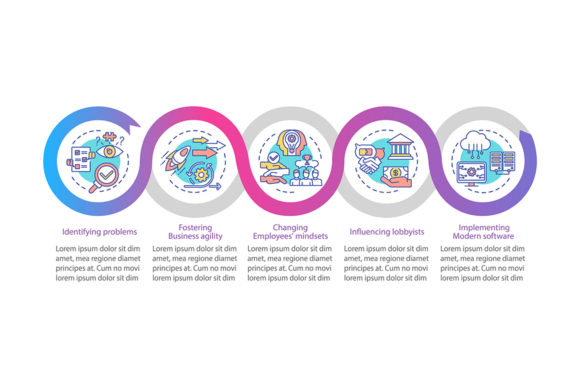
When it comes to conveying complex business data or strategies, a well-designed business presentation infographic can make all the difference. These visual tools help simplify information, improve audience engagement, and enhance the overall clarity of your message. Whether you're pitching to investors, training a team, or sharing insights with clients, using a presentation infographic can streamline communication and leave a lasting impression.
However, many people overlook the importance of choosing the right template or fail to use these tools effectively. This can lead to confusion, poor audience retention, and even miscommunication of key points. Let's explore some common pitfalls and how you can avoid them to get the most out of your business presentation infographic.
Mistake #1: Ignoring the Purpose of Your Presentation
One of the most frequent missteps is selecting a business presentation infographic template without considering the core message or audience. For example, a template that works well for a product launch might not be suitable for an internal financial report. Each presentation has a unique goal, and the design should reflect that purpose clearly.
Before downloading or purchasing any template, ask yourself: Who is the audience? What action do I want them to take? What key message needs to stand out? Aligning your template with your presentation’s objective ensures your visuals support, rather than distract from, your message.
Mistake #2: Overloading the Design with Too Much Information
Infographics are meant to simplify, not complicate. A common error is trying to include too much data or text in a single slide. This can overwhelm viewers and dilute the main points you're trying to communicate.
Instead, focus on one idea per slide. Use charts, icons, and short phrases to highlight key takeaways. If you find yourself adding more than three or four points per slide, consider splitting the content across multiple slides or simplifying the message.
Mistake #3: Choosing a Template That Doesn’t Match Your Branding
Visual consistency is crucial for professional credibility. Using a business presentation infographic that doesn't align with your brand colors, fonts, or tone can make your presentation feel disjointed or unprofessional.
Look for templates that allow easy customization of color schemes and fonts. Many templates come with editable elements that let you tailor the design to match your company’s visual identity. If you're unsure, choose a clean, minimalist design that complements most branding styles.
Mistake #4: Underestimating the Value of High-Quality Graphics
Low-resolution images or poorly designed icons can make your presentation look amateurish. This is especially important when presenting to clients or potential investors who may judge the quality of your work based on how polished your materials appear.
Always check that the template includes high-quality vector graphics or offers easy integration with stock image platforms. Investing in a premium template or adding professional images can significantly boost the perceived value of your presentation.
Mistake #5: Failing to Test the Template Before Use
It’s surprising how often people download a template, plug in their content, and present it without testing it first. Issues like text overflow, misaligned elements, or broken links can appear only when you're in front of an audience—leading to embarrassment and a loss of credibility.
Always preview your presentation on the device you’ll be using during the actual delivery. Make sure all transitions, animations, and embedded elements work as intended. Testing also gives you a chance to adjust font sizes and spacing for better readability.
What to Look for Before Choosing a Template
Before committing to a business presentation infographic template, take time to evaluate its features and flexibility. Here are a few key factors to consider:
- Customizability: Can you easily change colors, fonts, and layout elements?
- Versatility: Does the template support different types of content like charts, timelines, and comparison tables?
- Compatibility: Does it work with your preferred presentation software (PowerPoint, Google Slides, Keynote)?
- Support: Is there documentation or customer support available if you run into issues?
- File Formats: Are multiple file formats included for flexibility in use?
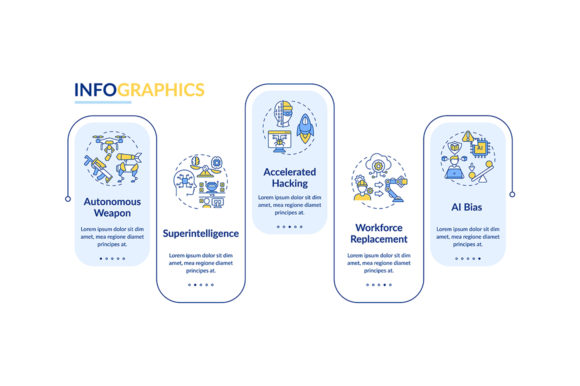
Many templates come with sample slides or preview images that show how the design looks in action. Use these to gauge whether the template will meet your specific needs.
Practical Tips for Using a Business Presentation Infographic Effectively
Once you've selected a template, it's time to put it to work. Here are some best practices to ensure your presentation hits the mark:
- Keep your message clear and concise. Each slide should have one main point.
- Use icons and images strategically. Visual elements should support your message, not distract from it.
- Balance text and visuals. Avoid long paragraphs—use bullet points and short phrases instead.
- Ensure readability. Choose fonts and colors that are easy to read, especially from a distance.
- Test your presentation. Practice in front of a colleague or record yourself to catch any issues.
Also, don’t be afraid to mix and match slides from different templates if it better serves your content. Just be consistent with design elements to maintain a cohesive look.
Conclusion: Make Informed Choices for Better Presentations
A business presentation infographic is more than just a design tool—it’s a strategic asset that can elevate your communication and help you connect with your audience more effectively. By avoiding common mistakes and making thoughtful design choices, you can ensure your presentations are both visually appealing and highly impactful.
Take the time to explore your options, test templates before finalizing, and always align your design with your goals. With the right approach, your next presentation can be both professional and persuasive—leaving a lasting impression without overwhelming your audience.