Kinesiology Taping Vector Infographic: A Visual Tool for Injury Prevention and Physiotherapy
Understanding the Kinesiology Taping Vector Infographic
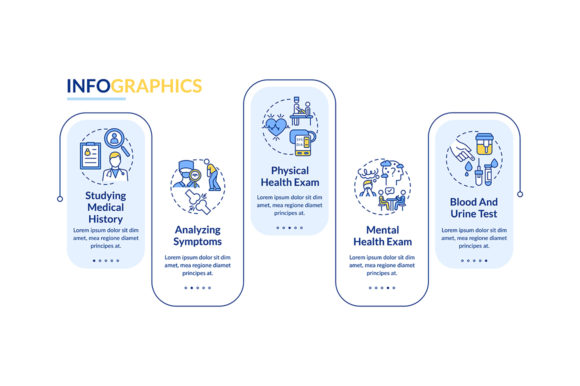
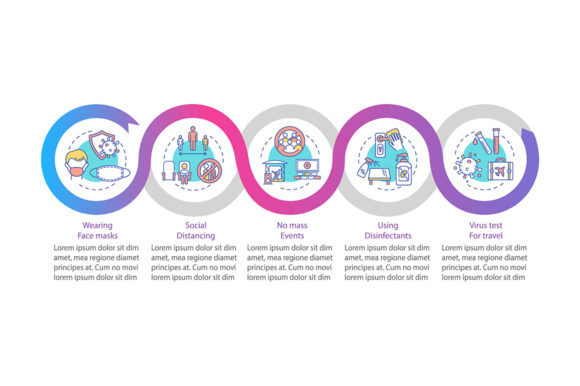
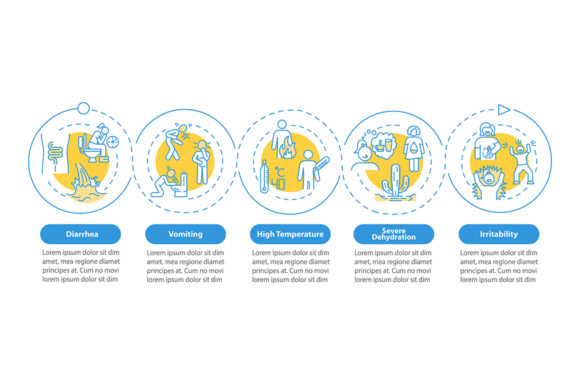
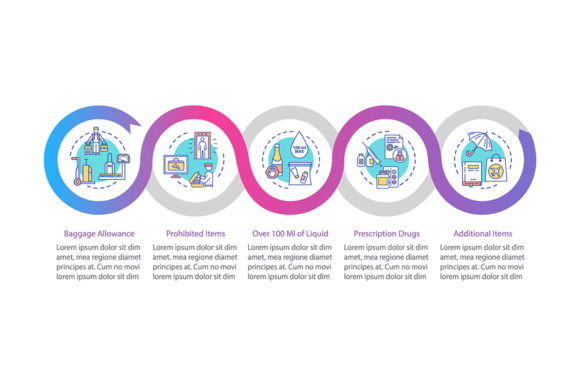
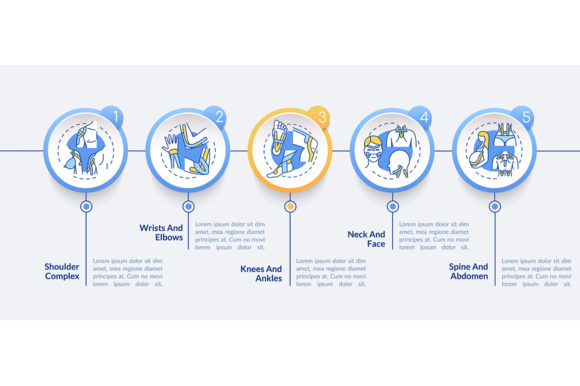
The Kinesiology Taping Vector Infographic is a specialized visual resource designed to communicate the principles, applications, and benefits of kinesiology taping in a clear and engaging way. This infographic template includes process timelines, workflow layouts, and data visualization elements that help professionals and patients better understand how kinesiology tape supports muscle function, reduces pain, and aids in injury prevention.
Created using scalable vector graphics, the template is adaptable for presentations, educational materials, and patient handouts. It typically includes linear icons, step-by-step guides, and anatomical diagrams, all of which contribute to a more intuitive understanding of taping techniques and their physiological effects.
Why Professionals and Patients Are Interested
Physiotherapists, athletic trainers, and healthcare educators are increasingly turning to visual aids like the Kinesiology Taping Vector Infographic to enhance communication with patients and students. Visual learning is often more effective than text-heavy explanations, especially when demonstrating complex taping methods or biomechanical concepts.
For patients, these infographics demystify how kinesiology tape works, what to expect during application, and how it contributes to recovery and performance. This transparency helps build trust and encourages adherence to treatment plans. Additionally, the availability of multiple file formats (EPS, JPG, PNG, SVG, AI) ensures compatibility with various design and presentation software, making it a versatile asset for digital and print use.
Key Benefits of Using the Infographic Template
- Improved patient education: Simplifies technical concepts for easier understanding.
- Consistent messaging: Ensures accurate representation of taping methods across different platforms.
- Professional presentation design: Offers a polished look for clinics, training materials, and digital content.
- Customizable layouts: Adaptable for various applications, from posters to mobile-friendly visuals.
- Supports injury prevention strategies: Illustrates how taping supports joints and muscles during physical activity.
Considerations and Tradeoffs
While the Kinesiology Taping Vector Infographic offers many advantages, it's important to recognize its limitations. Infographics are most effective when they complement, rather than replace, hands-on instruction and professional guidance. They should not be used as standalone tools for medical advice or treatment decisions.
Another consideration is the need for accurate customization. Users must ensure that any modifications to the template reflect current best practices in kinesiology taping. Misleading visuals or outdated information can lead to improper application or unrealistic expectations.
Additionally, while the visual appeal of infographics enhances engagement, it may not fully address individual patient concerns or complex anatomical variations. Therefore, these tools should be part of a broader educational strategy that includes direct consultation with trained professionals.
When the Infographic Is a Strong Fit
The Kinesiology Taping Vector Infographic is particularly useful in settings where visual clarity and consistency are essential. It is well-suited for:
- Physiotherapy clinics: Explaining taping techniques to patients before or after treatment.
- Educational programs: Teaching students how to apply kinesiology tape for different injuries and conditions.
- Athletic training facilities: Demonstrating how taping supports performance and injury prevention.
- Online health resources: Providing downloadable content that explains the benefits of taping in an accessible format.
In these environments, the infographic serves as a reliable visual aid that enhances understanding and supports informed decision-making.
When Alternatives May Be Worth Considering
There are situations where alternative formats may be more appropriate. For example, when working with patients who have limited access to digital tools or who require more personalized instruction, a printed guide or in-person demonstration might be more effective.
For complex conditions or specialized taping techniques, video tutorials or interactive modules could offer more depth than a static infographic. Similarly, in clinical research or advanced training, detailed textual explanations and peer-reviewed resources are often necessary to support the visual content.
Ultimately, the choice depends on the audience's needs, the complexity of the subject matter, and the resources available to both educators and learners.
Practical Insights for Decision-Making
When evaluating whether the Kinesiology Taping Vector Infographic aligns with your goals, consider the following:
- Target audience: Will the users benefit more from visual learning or detailed textual instructions?
- Application context: Is the infographic being used in a clinical, educational, or informational setting?
- Integration with other tools: Does the infographic complement existing resources or stand alone?
- Customization needs: Do you have the design capability to tailor the template for your specific use case?
- Evidence-based accuracy: Is the information presented in line with current clinical guidelines and research?
By answering these questions, professionals can determine whether this visual tool will enhance their communication strategy or if another format might be more suitable.
Final Thoughts
The Kinesiology Taping Vector Infographic is a valuable resource for anyone involved in physiotherapy, athletic training, or patient education. It offers a visually engaging way to explain how kinesiology taping supports muscle and joint function, aids in injury prevention, and contributes to recovery.
However, like any educational tool, its effectiveness depends on how well it's integrated into a broader strategy of care and communication. By understanding its strengths, limitations, and ideal use cases, professionals can make informed decisions about incorporating this infographic into their practice or educational materials.