Hunting for Wildlife Vector Infographic: A Visual Tool for Conservation and Awareness
Wildlife conservation and responsible hunting practices are increasingly important in today’s world, where ecosystems are under constant threat from human activity and environmental changes. The Hunting for Wildlife Vector Infographic serves as a powerful visual communication tool for educators, conservationists, and wildlife advocates. This infographic template simplifies complex information into digestible, engaging visuals that can be used to raise awareness, educate the public, and promote ethical hunting practices.
Understanding the Hunting for Wildlife Vector Infographic
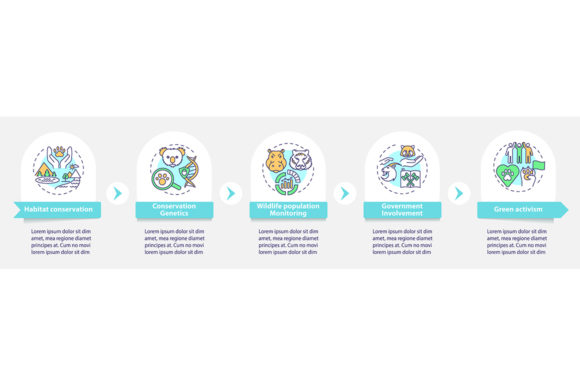
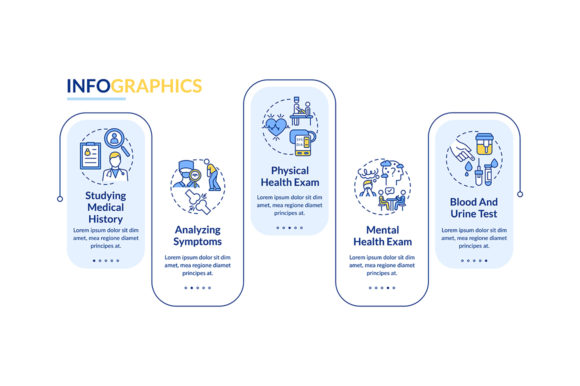
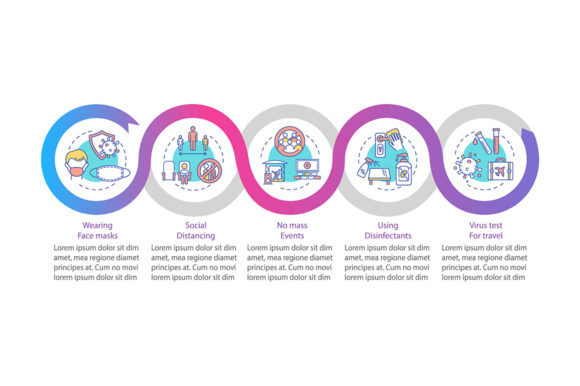
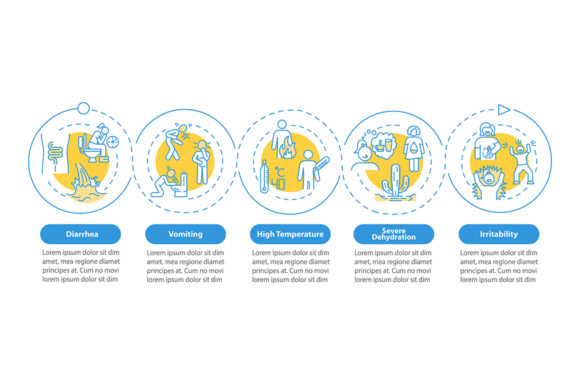
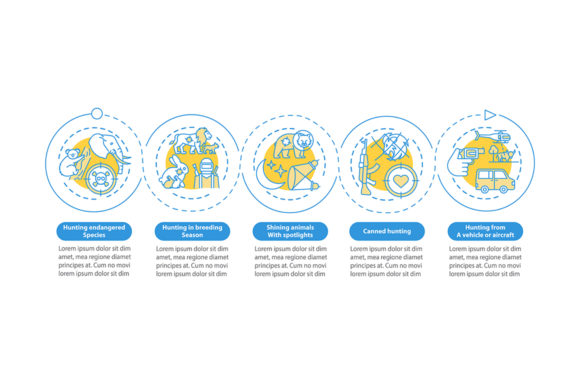
The Hunting for Wildlife Vector Infographic is a professionally designed graphic template that allows users to visually represent data, processes, and timelines related to wildlife hunting and conservation. It includes a variety of elements such as linear icons, process timelines, and data visualization layouts. Available in multiple formats—EPS, JPG, PNG, SVG, and AI—it offers flexibility for both digital and print use.
Whether you're developing a presentation on animal abuse, outlining hunting regulations, or explaining the steps in a conservation initiative, this template provides a structured and visually appealing way to convey your message. Its modular design makes it easy to customize for different audiences, from schoolchildren to policymakers.
Challenges in Communicating Wildlife Issues
One of the biggest challenges in wildlife education and advocacy is presenting complex information in a way that is both engaging and easy to understand. Traditional text-heavy presentations often fail to capture attention or effectively communicate the urgency of conservation issues. Additionally, visual content must be adaptable to various platforms and audiences, which can be difficult without the right tools.
Animal abuse and cruelty presentations, for instance, require a delicate balance between emotional impact and factual clarity. Presenters must convey the severity of the issue without overwhelming the audience, while also offering actionable solutions. The Hunting for Wildlife Vector Infographic addresses these challenges by combining visual storytelling with structured data presentation.
How the Hunting for Wildlife Vector Infographic Helps
This infographic template is particularly effective for presenting information in a step-by-step format. The 5-step data visualization layout, for example, allows users to break down complex processes—such as ethical hunting guidelines or wildlife rehabilitation steps—into manageable segments. This helps audiences follow along without feeling overwhelmed.
The process timeline chart feature is ideal for showing the progression of conservation efforts or illustrating the life cycle of protected species. Meanwhile, the workflow layout supports the explanation of decision-making processes, such as how hunting permits are issued or how wildlife data is collected and analyzed.
Practical Applications and Real-World Use Cases
The Hunting for Wildlife Vector Infographic can be used in a variety of contexts, including:
- Environmental education programs – Teachers and educators can use the template to create engaging lessons on wildlife management and biodiversity.
- Nonprofit awareness campaigns – Animal welfare organizations can present data on hunting regulations, animal cruelty statistics, and rescue efforts in a visually compelling format.
- Government and policy presentations – Agencies can use the infographic to explain hunting laws, conservation funding, and habitat protection strategies.
- Corporate sustainability reports – Companies can highlight their environmental impact reduction efforts using the infographic’s timeline and data visualization features.
For example, a wildlife sanctuary might use the template to show the step-by-step rehabilitation process of an injured animal—from rescue to release. A hunting safety course could use the workflow layout to explain the decision-making process behind ethical hunting practices.
Customization and Accessibility
One of the key advantages of the Hunting for Wildlife Vector Infographic is its adaptability. Because it's available in multiple file formats, users can edit and scale the design to suit their specific needs. Vector formats like SVG and AI allow for high-quality resizing without loss of clarity, making them ideal for both digital displays and printed materials.
Users with limited design experience can work with the JPG or PNG versions to insert into slides or reports, while more advanced users can modify the EPS or AI files for full customization. This flexibility ensures that the infographic can be used across a wide range of platforms and purposes without compromising visual quality.
Who Can Benefit from This Infographic?
While the Hunting for Wildlife Vector Infographic was initially designed for conservation and hunting-related topics, its utility extends to a broad audience:
- Wildlife educators – Can use the templates to illustrate ecological relationships, hunting seasons, and species identification.
- Advocacy groups – Can highlight animal cruelty statistics or show the impact of illegal poaching.
- Outdoor enthusiasts – Can learn about responsible hunting practices and how to contribute to conservation efforts.
- Policy makers – Can present data on environmental impact assessments and wildlife management strategies.
Each group may approach the infographic differently, focusing on specific elements that align with their goals. For instance, educators might emphasize the timeline charts to show seasonal animal behavior, while advocacy groups may use the data visualization features to highlight trends in animal abuse cases.
Recommendations for Effective Use
To get the most out of the Hunting for Wildlife Vector Infographic, consider the following tips:
- Identify your audience – Tailor your content and visual elements to the knowledge level and interests of your audience.
- Keep it simple – Avoid cluttering the infographic with too much information. Focus on one key message per graphic.
- Use color strategically – Highlight important data points with contrasting colors to guide the viewer’s eye.
- Include actionable takeaways – Always connect the information to what the audience can do—whether it’s supporting a cause, following regulations, or spreading awareness.
- Update regularly – Infographics should reflect current data and trends, especially in fast-changing fields like conservation and animal welfare.
Conclusion: A Valuable Tool for Modern Wildlife Communication
In an age where visual communication plays a crucial role in education and advocacy, the Hunting for Wildlife Vector Infographic stands out as a versatile and impactful resource. Whether you're presenting on animal abuse, explaining the hunting process, or promoting conservation efforts, this template helps you deliver your message clearly and compellingly.
By leveraging its built-in design elements—such as the 5-step visualization, process timeline, and workflow layout—you can create professional-quality infographics that resonate with your audience and drive meaningful engagement. With the included ZIP file offering multiple formats, customization has never been easier, making this infographic an essential tool for anyone involved in wildlife education, advocacy, or outreach.