Creative Thinking Types Infographic
Understanding the Visual Guide to Innovation
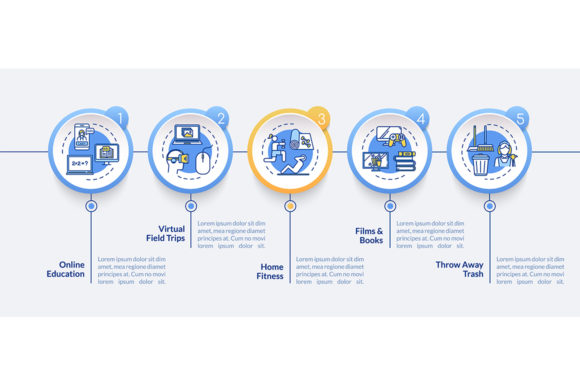
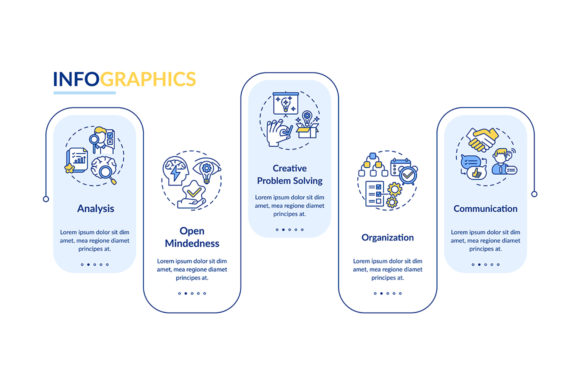
The Creative Thinking Types Infographic is a visual tool that breaks down different approaches to creative problem-solving. Designed for clarity and engagement, it uses icons, flowcharts, and color-coded sections to explain how various thinking styles—like divergent, convergent, lateral, and critical thinking—interact in the creative process. Whether you're brainstorming alone or presenting to a team, this infographic simplifies complex concepts into digestible visuals.
How This Infographic Serves Different Users
Depending on your background and goals, you might approach this resource in different ways. Let's explore how various audiences can benefit from the Creative Thinking Types Infographic and what to look for based on your needs.
Beginners: Learning the Basics Visually
If you're new to creative thinking frameworks, the infographic provides a structured entry point. Its layout guides you through each thinking type with simple icons and short descriptions, making it easy to grasp the big picture without getting lost in theory.
- Look for: Clear labels and visual cues that connect each thinking style to real-life examples.
- Use case: Students or hobbyists exploring creative problem-solving for the first time.
Professionals: Streamlining Team Communication
For marketers, project managers, or business strategists, this infographic can be a presentation-ready tool. It helps align teams around shared thinking methods, especially during brainstorming sessions or strategy meetings.
- Look for: The process timeline chart and workflow layout to show how ideas evolve from concept to execution.
- Use case: Presenting creative workflows in team workshops or client pitches.
Educators: Teaching Creative Skills Effectively
Teachers and trainers can use this visual aid to explain creative thinking models in classrooms or workshops. The infographic’s structured design supports different learning styles, especially visual learners.
- Choose the SVG or PNG format for digital whiteboards.
- Annotate sections to add context for your students.
- Use the 5-step data visualization to walk through the creative process together.
Designers and Creators: Customizing Visual Assets
If you're a graphic designer or content creator, the Creative Thinking Types Infographic template gives you a head start. The included EPS, AI, and SVG files allow for deep customization in Adobe Illustrator or other vector tools.
- Look for: Layered files and editable icons to match your brand’s visual style.
- Use case: Rebranding the template for client presentations or publishing your own educational materials.
Small Business Owners: Enhancing Team Creativity
Entrepreneurs and small business owners can use the infographic to foster a culture of innovation. Whether you're running a startup or managing a local team, having a shared visual reference helps everyone speak the same creative language.
- Look for: The workflow layout with linear icons to show how ideas move through different stages.
- Use case: Printing and displaying in office spaces or using in internal training sessions.
Key Features and What to Prioritize
When evaluating the Creative Thinking Types Infographic, different users will focus on different aspects. Here’s a breakdown of what matters most depending on your use case:
For Ease of Use
Beginners and educators often prioritize simplicity. The JPG and PNG versions offer plug-and-play usability, especially for presentations or digital learning platforms. These formats load quickly and are compatible with most tools.
For Quality and Flexibility
Designers and professionals need high-resolution, scalable assets. The EPS and AI files ensure crisp visuals at any size. You can also tweak colors, fonts, and layout elements to fit your brand identity.
For Presentation Value
If you're pitching ideas or leading a workshop, presentation quality is key. The timeline chart and step-by-step visuals help you guide an audience through the creative process in a structured way.
For Long-Term Use
For educators or business owners, the long-term value of the template matters. Having access to multiple file types (including editable vector formats) means you can update and reuse the infographic across projects and years.
Real-World Examples
Here are a few practical ways different users have applied the Creative Thinking Types Infographic:
Marketing Team at a Tech Startup
A marketing team used the timeline chart to map out their campaign ideation process. They printed the infographic and posted it in their brainstorming room to remind everyone of the different thinking styles they should consider at each stage.
High School Art Teacher
An art teacher downloaded the PNG version to use in a digital slideshow. She added voiceover explanations and used the 5-step visualization to guide students through how to develop creative concepts from inspiration to final execution.
Freelance Graphic Designer
A freelance designer customized the SVG file to match a client’s brand colors. She then embedded it into a PDF strategy document that explained how different thinking styles would be used during the project’s creative phase.
Does This Infographic Fit Your Needs?
To decide if the Creative Thinking Types Infographic is right for you, ask yourself the following:
- Do I need a visual way to explain creative thinking models?
- Will I benefit from having multiple file formats for different uses?
- Am I looking for a ready-made design that I can customize or use as-is?
If you answered yes to any of these, this infographic could be a valuable tool—whether you're teaching, presenting, designing, or leading a team.
Final Thoughts
The Creative Thinking Types Infographic isn’t just a visual—it’s a practical tool for understanding and applying creative thinking. Whether you're a beginner looking to learn, a professional aiming to communicate better, or a creator wanting to build on a strong design, this resource offers something useful. By matching its features to your needs, you can make the most of what it offers without overcomplicating your workflow.