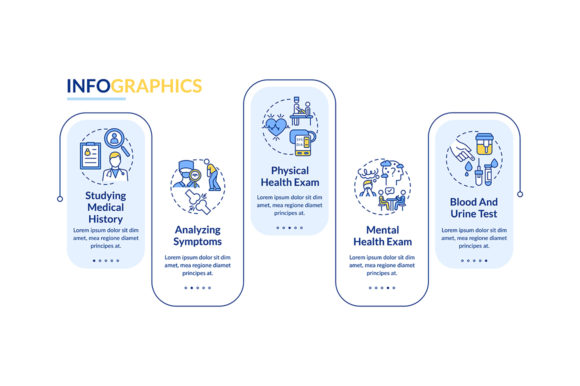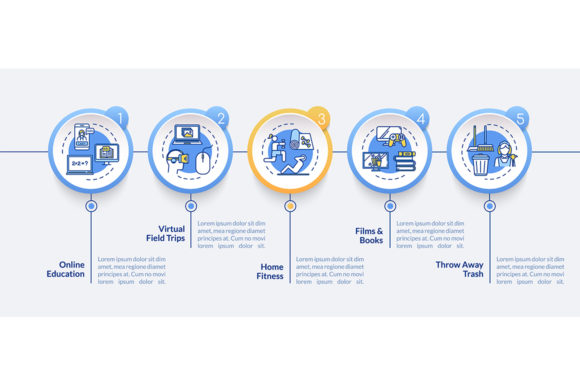
Home Activity Vector Infographic: Creative Uses for Visual Storytelling
What Is a Home Activity Vector Infographic?
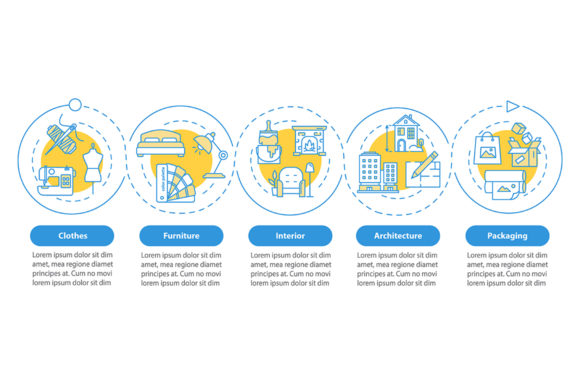
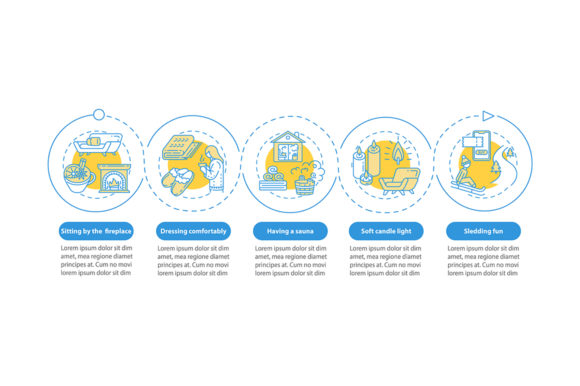
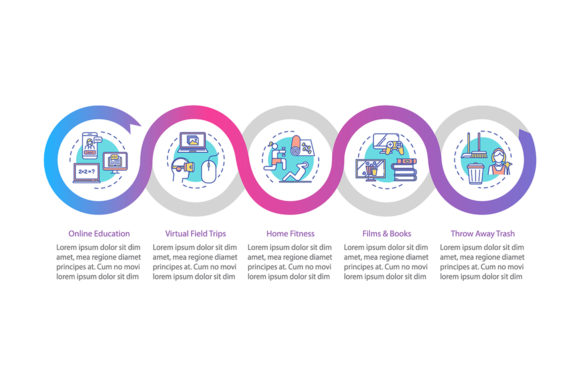
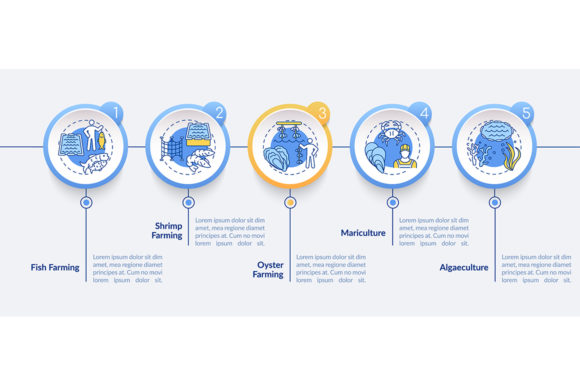
A Home Activity Vector Infographic is a flexible visual tool that communicates processes, timelines, or activity breakdowns using scalable vector graphics. It’s commonly used in presentations, reports, and digital content to explain home-related workflows, educational routines, or entertainment planning in a clean, engaging layout.
What makes this type of infographic especially valuable is its adaptability. Whether you're a designer crafting a presentation, a blogger illustrating daily routines, or a small business owner explaining service steps, this format offers a structured way to deliver information clearly and visually.
Key Features That Make It Stand Out
- Linear icon-based layouts that guide the viewer through a process
- Timeline-style visuals for showing progression or planning
- Editable vector files (EPS, JPG) that scale without losing quality
- Workflow-ready design that supports multiple formats and platforms
These infographics are especially useful when explaining multi-step home activities—like organizing a cleaning schedule, planning a weekend DIY project, or mapping out a family learning routine.
Creative Possibilities and Interpretations
Because the Home Activity Vector Infographic is built on a flexible framework, it can be adapted to suit a wide range of visual storytelling needs. Here are a few creative directions you might explore:
- Daily Habits Tracker: Use the timeline format to break down morning routines, fitness goals, or mindfulness practices in a home setting.
- Home Maintenance Calendar: Visualize quarterly tasks like HVAC checks, gutter cleaning, or seasonal landscaping using a process layout.
- Online Learning Journey: Map out a month-by-month plan for mastering a new skill or subject from home.
- Entertainment Schedule: Create a fun visual guide for movie nights, game marathons, or streaming watchlists.
- Family Workflow Chart: Show how different household members contribute to chores, schoolwork, or shared goals using icons and timeline markers.
Each of these applications can be customized with color themes, icon styles, and layout variations to match your brand or personal aesthetic.
How Different Users Can Adapt the Infographic
One of the strengths of the Home Activity Vector Infographic template is its broad usability. Here’s how various professionals and creators can put it to work:
- Designers can use it as a base layout for client presentations or portfolio pieces that explain project timelines or creative workflows.
- Bloggers can illustrate home organization tips, meal planning strategies, or productivity hacks with a visual structure that’s easy to follow.
- Educators can build learning roadmaps or assignment timelines that help students visualize their progress over time.
- Entrepreneurs can present business plans, product development stages, or customer journey maps in a visually engaging way.
- Freelancers can use it to outline project phases, deliverables, and deadlines for clients in a professional, easy-to-share format.
Each adaptation benefits from the infographic’s clean, scalable design and its compatibility with both print and digital publishing formats.
Practical Tips for Effective Use
To get the most out of your Home Activity Vector Infographic, consider these best practices:
- Keep it focused: Don’t try to pack too many steps or ideas into one layout. Stick to a clear narrative or process.
- Use consistent visual language: Choose one icon style, color palette, and typography scheme and apply it consistently across the infographic.
- Label clearly: Make sure each step or phase is easy to understand without requiring extra explanation.
- Optimize for readability: Use enough white space, legible fonts, and visual hierarchy to guide the viewer’s eye naturally.
- Test across platforms: If you’re using the infographic online, check how it looks on mobile, tablet, and desktop to ensure it scales well.
Remember, the goal is to make complex information easier to digest—not just to decorate a page.
Project Ideas to Spark Inspiration
If you’re looking for ways to incorporate this infographic into your next project, here are a few practical examples to consider:
- Home Office Setup Guide: Break down the process of setting up an ergonomic workspace step by step.
- Weekly Meal Prep Plan: Use a timeline format to show grocery shopping, prep day, and daily meals.
- Remote Work Routine: Visualize a typical day, from logging in to winding down, with breaks and key tasks highlighted.
- DIY Home Renovation Checklist: Outline the major phases of a small renovation project, from planning to completion.
- Family Fitness Challenge: Show a 30-day fitness plan with weekly milestones and activity types.
Each of these projects can be exported as a JPG for social media, embedded in a blog post, or included in a downloadable PDF guide.
Maximizing the Template’s Flexibility
The ZIP file that comes with the Home Activity Vector Infographic typically includes EPS and JPG versions, making it easy to work in both vector editing software and image-based platforms. Here’s how to make the most of each format:
- Use EPS files when you need to scale the design for print or make detailed edits in Illustrator or similar tools.
- JPG files are ideal for quick placement in blogs, emails, or slide decks where vector editing isn’t needed.
- Export variations for different platforms—create a high-res version for print and a simplified version for web use.
By leveraging both formats, you can maintain visual consistency across all your content while adapting to different publishing needs.
Final Thoughts: Make It Yours
The Home Activity Vector Infographic isn’t just a template—it’s a starting point for your creative vision. Whether you’re explaining a process, mapping a timeline, or guiding an audience through a series of steps, this format offers clarity and visual appeal without requiring advanced design skills.
So, take the base layout, customize it with your own content, and turn it into something that speaks directly to your audience. With the right approach, a simple infographic can become a powerful storytelling tool.