Cafe and Restaurants Safety Infographic: A Visual Tool for Streamlining Safety Compliance
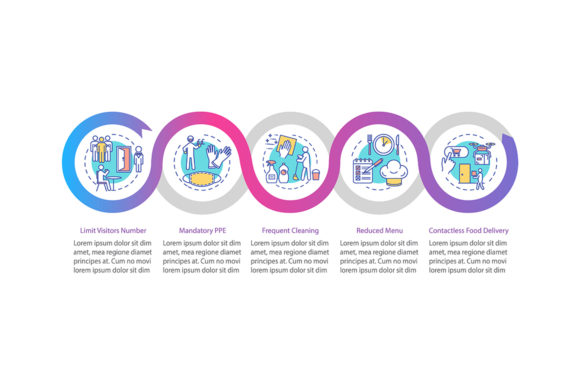
The Cafe and Restaurants Safety Infographic is a visual communication tool designed to simplify and reinforce safety protocols in food service environments. Whether used for staff training, customer awareness, or internal compliance tracking, this type of infographic distills complex safety procedures into digestible, actionable visuals. It serves as a bridge between regulatory standards and daily operations, making it easier for cafe and restaurant owners to maintain a safe, organized, and legally compliant space.
Where the Infographic Fits in the Broader Safety Workflow
Safety in food service isn't a one-time task—it's an ongoing process that spans planning, implementation, training, and review. The Cafe and Restaurants Safety Infographic fits into this workflow at multiple points. It can be used before onboarding new staff to set expectations, during routine operations as a visual reminder of best practices, and after incidents or audits to reinforce learning and correct gaps.
Its value lies in how it complements other tools such as staff training modules, inspection checklists, digital signage systems, and compliance software. By integrating this infographic into existing workflows, managers can create a more consistent and visual safety culture that supports both employees and patrons.
Using the Infographic Across Different Stages
Depending on the needs of the business, the Cafe and Restaurants Safety Infographic can be deployed in different phases of a project or operational cycle:
- Before launching a new menu or hiring new staff, use the infographic to communicate hygiene and safety expectations visually.
- During service hours, place printed or digital versions in high-traffic areas like kitchens, break rooms, or near handwashing stations.
- After an incident or inspection, revisit the infographic to highlight areas needing improvement and track progress over time.
This multi-stage application makes the infographic a flexible asset that evolves with your operational needs rather than becoming a static poster.
Integration with Other Tools and Resources
The Cafe and Restaurants Safety Infographic works best when it's part of a broader safety ecosystem. It can be paired with:
- Digital signage platforms that rotate safety messages throughout the day.
- Staff training software that includes interactive quizzes or video content.
- Checklist apps that track daily cleaning and safety tasks.
- Compliance management systems that log inspections and corrective actions.
When used in combination with these tools, the infographic becomes more than a visual aid—it becomes a touchpoint in a continuous process of safety reinforcement and performance tracking.
Practical Implementation Tips for Cafe and Restaurant Owners
Here are several practical ways to incorporate the Cafe and Restaurants Safety Infographic into your daily operations:
- Choose the right format: The ZIP file includes EPS, JPG, and vector files—select the one that best suits your printing or digital display needs.
- Place strategically: Position the infographic in visible but non-intrusive locations like prep stations, restrooms, or staff lounges.
- Update regularly: Revisit the design and content as safety guidelines evolve or new protocols are introduced.
- Use it in training: Incorporate the infographic into onboarding sessions to visually anchor safety practices.
- Customize when needed: Modify the template to reflect your specific layout, menu items, or local health regulations.
These steps help ensure that the infographic remains a relevant and effective part of your safety communication strategy.
Workflow Layout and Design Considerations
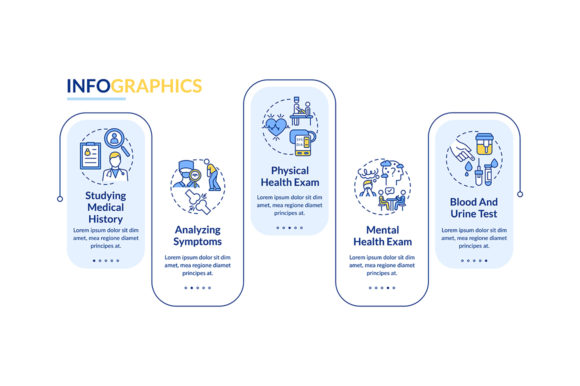
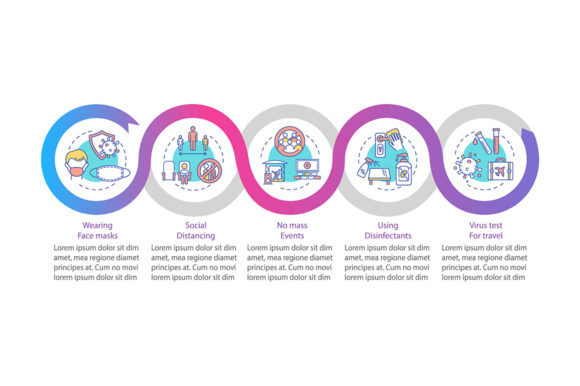
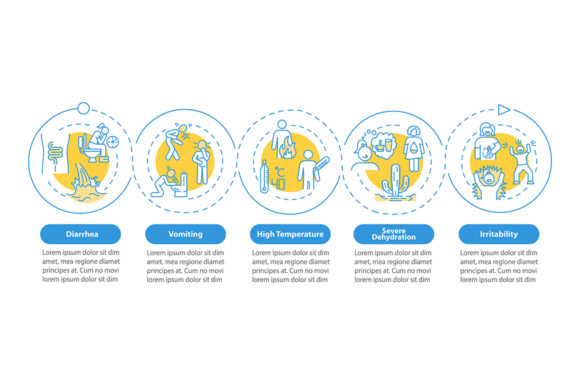
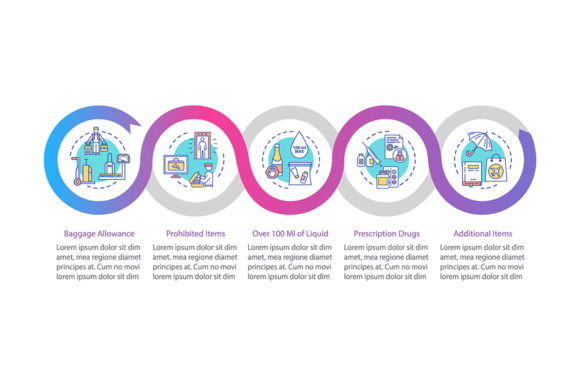
The Cafe and Restaurants Safety Infographic is built around a linear process layout, often showing a timeline or sequence of actions. This structure supports clear communication of step-by-step procedures, such as:
- Handwashing protocol
- Cleaning and sanitizing surfaces
- Proper food storage temperatures
- Emergency response steps
- Staff safety gear requirements
By using linear icons and a clean layout, the infographic avoids visual clutter and focuses on guiding the viewer through a logical flow of actions. This is especially helpful in fast-paced environments where quick comprehension is key.
Factors to Consider for Long-Term Use
For sustained effectiveness, consider the following when implementing the Cafe and Restaurants Safety Infographic:
- Preparation: Align the infographic content with your current safety protocols and any upcoming regulatory changes.
- Compatibility: Ensure the file types (EPS, JPG) are compatible with your existing signage, website, or training materials.
- Usability: Keep the design intuitive so that it can be understood at a glance by both staff and customers.
- Organization: Maintain a centralized folder of all versions and updates to avoid confusion.
- Efficiency: Use the infographic to reduce the need for lengthy verbal instructions or repetitive training sessions.
By treating the infographic as part of a living system rather than a one-off asset, you’ll get more value from it over time.
Real-World Examples of Integration
Here are two real-world scenarios where the Cafe and Restaurants Safety Infographic has been effectively used:
- Startup Cafe: A new cafe used the infographic during their soft opening to train staff on hygiene and safety before opening to the public. They placed printed versions in the kitchen and shared digital versions via their internal messaging app.
- Chain Restaurant: A regional chain incorporated the infographic into their digital signage system, rotating it with promotional content. After a health inspection, they updated the infographic to reflect new food handling guidelines and redistributed it across all locations.
In both cases, the infographic served as a central reference point that helped maintain consistency across teams and locations.
Conclusion
The Cafe and Restaurants Safety Infographic is more than a decorative poster—it’s a functional component of a well-organized safety strategy. Whether used to support training, reinforce protocols, or track compliance, it plays a valuable role in streamlining communication and improving workplace safety. When integrated thoughtfully into workflows and paired with other tools, it becomes a lasting asset that supports both operational efficiency and regulatory compliance.