Understanding Project Teams Types Vector Infographics: A Visual Tool for Modern Collaboration
In today's fast-paced corporate world, visual communication is key to conveying complex ideas quickly and effectively. One such tool that has gained popularity among professionals and presenters is the Project Teams Types Vector Infographic. This infographic template is designed to simplify the understanding of different team structures within a project, offering a clean and visually engaging way to represent group dynamics.
What Is the Project Teams Types Vector Infographic?
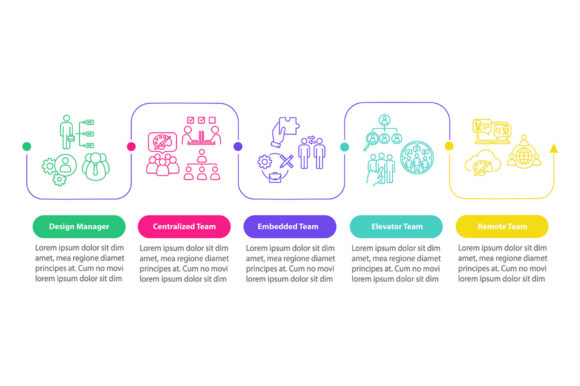
The Project Teams Types Vector Infographic is a presentation-ready design that visually breaks down various team structures commonly used in project management. It includes elements such as team roles, collaboration models, and communication hierarchies. The template is typically delivered in multiple formats, including EPS and JPG, making it versatile for use in both print and digital presentations.
Designed with a focus on clarity and professionalism, this infographic helps users illustrate how different team types function, interact, and contribute to the success of a project. Whether you're managing a startup team or leading a corporate initiative, this tool can be invaluable in planning and presenting your team structure.
Key Features of the Infographic Template
One of the standout features of the Project Teams Types Vector Infographic is its adaptability. The design includes:
- Modular layouts that allow customization for different team sizes and types
- Linear icons representing roles like project managers, developers, designers, and stakeholders
- Process timeline charts to show how teams evolve over the course of a project
- Data visualization elements that make it easy to compare team dynamics and performance metrics
These features ensure that users can tailor the infographic to suit their specific needs while maintaining a polished and professional appearance.
Who Benefits from Using This Template?
This infographic is ideal for a wide range of professionals including:
- Project managers who need to present team structures clearly to stakeholders
- Business owners looking to visualize internal team dynamics
- Corporate trainers teaching team collaboration and leadership skills
- Designers and creators who want to enhance their presentations with professional visuals
Whether you're pitching a new idea to investors, training a new team, or simply organizing your workflow, the Project Teams Types Vector Infographic can help you communicate more effectively.
How to Use the Infographic in Real-World Scenarios
Let’s explore a few practical applications of this versatile tool:
- Startup Planning: Use the infographic to define your team structure during pitch presentations. Investors appreciate visual clarity when understanding how your team will execute a business plan.
- Internal Team Meetings: Present the team structure to new hires or during onboarding sessions. Visual aids help employees understand their roles and how they fit into the larger picture.
- Client Presentations: Show clients the team behind their project to build trust and transparency. This can be especially useful in agencies or consultancies.
- Training Materials: Incorporate the infographic into e-learning modules or printed handouts to teach best practices in team collaboration.
Strengths and Limitations of the Template
Like any design tool, the Project Teams Types Vector Infographic has its strengths and limitations. On the plus side:
- It offers scalable vector graphics that maintain quality at any size
- It supports quick customization for different industries and team types
- It provides a unified visual language that aligns with modern presentation standards
However, users should also be aware of potential limitations:
- Some users may need design software knowledge to fully customize the EPS files
- While the template covers common team types, highly specialized teams may require additional modifications
- It may not be suitable for very technical or deeply analytical presentations without supplementary content
What to Consider When Evaluating Its Suitability
Before deciding to use the Project Teams Types Vector Infographic, consider the following factors:
- Audience: Will your audience benefit from a visual breakdown of team roles? If so, this tool is ideal.
- Industry: While the template is versatile, some industries may need to tweak the visuals to better reflect their specific workflows.
- Complexity: If your project involves highly complex team structures, you may need to use multiple infographics or combine this with written documentation.
- Software Compatibility: Ensure you have the right tools to edit EPS files if you plan to make extensive changes.
Maximizing the Value of the Infographic
To get the most out of the Project Teams Types Vector Infographic, consider the following tips:
- Pair it with data: Combine the infographic with charts or statistics to reinforce your message.
- Use it consistently: Incorporate the same visual style across multiple slides or documents for a cohesive look.
- Update it regularly: As team structures change, so should your visuals. Keep your presentations current with the latest team configurations.
- Share it digitally: The JPG format is perfect for emails, websites, or social media posts where visual clarity is important.
Conclusion: A Must-Have Tool for Modern Presentations
The Project Teams Types Vector Infographic is more than just a visual aid—it's a strategic communication tool that enhances clarity, engagement, and professionalism. Whether you're a project manager, business owner, or educator, this template offers a streamlined way to explain team dynamics and improve collaboration. With its clean design, multiple file formats, and adaptable layout, it's a valuable asset for anyone looking to present team structures with confidence and clarity.
By incorporating this infographic into your next presentation, you’ll not only save time but also ensure that your message is delivered in a way that’s both visually appealing and easy to understand.