Understanding Ethical Dairy Industry Production: A Visual and Practical Guide
What Is Ethical Dairy Industry Production?
As consumer awareness grows around food sourcing and sustainability, the term ethical dairy industry production has gained significant attention. At its core, ethical dairy production refers to the responsible and humane farming of dairy cattle, with a focus on animal welfare, environmental sustainability, and fair labor practices. This approach not only benefits the animals and the planet but also contributes to higher-quality dairy products for consumers.
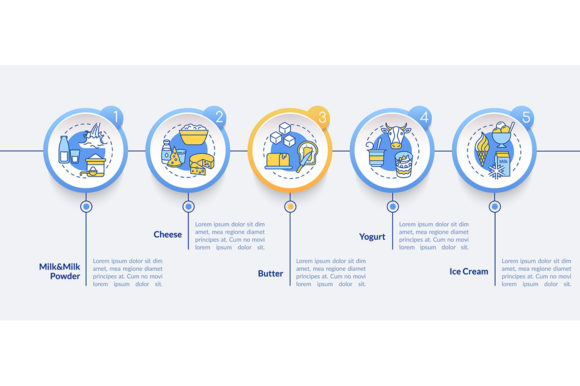
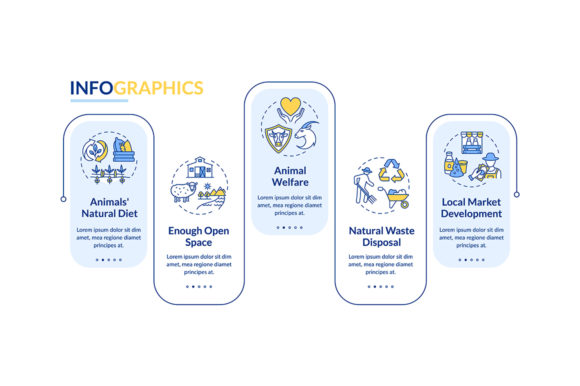
Visualizing this process can be a powerful tool for education and communication, especially in business presentations, educational materials, or marketing campaigns. One effective way to convey this information is through a data visualization infographic that outlines the key stages of ethical dairy production using a process timeline chart or a workflow layout featuring linear icons.
Why Ethical Dairy Production Matters Today
In the modern food industry, transparency and ethics are no longer optional—they are expectations. Consumers are increasingly asking questions like: Where did this milk come from? Were the cows treated humanely? Was the environment protected during production?
These concerns have pushed the dairy industry to evolve. Ethical dairy production is a response to these demands, offering a framework that aligns with sustainable development goals and responsible business practices. It also plays a crucial role in building trust between producers and consumers.
Breaking Down the Ethical Dairy Production Process
To better understand how ethical dairy farming works, let’s explore the five key steps in the production process using a 5-step data visualization approach. This visual model can be effectively presented using an infographic template that includes icons, timelines, and workflow diagrams—perfect for presentations or educational materials.
Step 1: Humane Animal Husbandry
The foundation of ethical dairy production begins with how the animals are treated. Ethical farms prioritize animal welfare by ensuring cows have access to clean living conditions, proper nutrition, and veterinary care. This includes providing space for natural behaviors like grazing and socializing.
Key practices include:
- Access to pasture and outdoor areas
- Comfortable housing with adequate bedding
- Regular health monitoring and vaccinations
Step 2: Sustainable Farming Practices
Modern dairy farms are increasingly adopting eco-friendly farming techniques to reduce their environmental footprint. These include managing manure responsibly, using renewable energy sources, and minimizing water usage.
For example, some farms use anaerobic digesters to convert cow waste into biogas, which can power farm operations and even feed into the local energy grid. These practices not only protect the environment but also reduce long-term operational costs.
Step 3: Responsible Feed Production
What cows eat directly affects their health and the quality of the milk they produce. Ethical dairy farms focus on nutritious and sustainably sourced feed, often grown on-site or obtained from local organic farms.
By reducing reliance on chemical fertilizers and pesticides, these farms support biodiversity and soil health. This step is crucial for maintaining a closed-loop system where waste from one process becomes a resource for another.
Step 4: Ethical Milking and Processing
The milking process must be conducted in a way that minimizes stress and discomfort for the animals. Ethical farms use automated milking systems with regular maintenance and sanitation to ensure both animal comfort and milk quality.
After milking, the milk is quickly cooled and transported to processing facilities under strict hygiene standards. Some farms even pasteurize and package milk on-site, reducing the carbon footprint associated with transportation.
Step 5: Transparent Distribution and Consumer Education
Transparency is a hallmark of ethical production. Consumers deserve to know where their dairy comes from and how it was produced. Many ethical dairy brands now include detailed sourcing information on packaging and offer farm tours or online content to educate the public.
This openness builds brand loyalty and empowers consumers to make informed choices. It also helps combat misinformation about modern farming practices and animal welfare standards.
How to Present Ethical Dairy Production Visually
When explaining complex processes like ethical dairy production, visual tools can be incredibly effective. A vector infographic template allows presenters to break down the process into digestible parts using icons, timelines, and flowcharts.
For example, a process timeline chart can show the five steps of ethical dairy production in chronological order, while a workflow layout can illustrate how each stage connects and contributes to the final product.
Design Elements for an Effective Presentation
When designing your presentation or infographic, consider including the following elements:
- Linear icons to represent each step of the process
- Color-coded sections to differentiate between stages
- Arrows or connectors to show the flow of production
- Key statistics or facts to support each step
Many of these design elements can be found in a downloadable ZIP file containing various file formats such as EPS, JPG, PNG, SVG, and AI. These formats ensure compatibility across different design software and allow for high-quality printing or digital use.
Common Misconceptions About Ethical Dairy Production
Despite growing awareness, several misconceptions persist about ethical dairy farming:
- Myth: All organic milk comes from ethical farms. Reality: While organic certification includes some ethical standards, it doesn’t always guarantee high animal welfare or sustainable practices.
- Myth: Ethical farming is too expensive for small producers. Reality: Many ethical practices, like rotational grazing or composting, can actually reduce costs over time.
- Myth: Ethical dairy is only for niche markets. Reality: As consumer demand grows, more mainstream brands are adopting ethical practices to stay competitive.
How Ethical Dairy Production Fits Into Modern Life
From farm to table, ethical dairy production impacts many aspects of daily life. Whether you're a parent choosing milk for your family, a chef sourcing ingredients for a restaurant, or a student learning about agriculture, understanding ethical practices helps you make informed decisions.
Moreover, ethical dairy farming aligns with broader societal goals such as:
- Reducing greenhouse gas emissions
- Promoting animal rights and biodiversity
- Supporting rural communities and local economies
Conclusion: The Future of Ethical Dairy Production
As awareness of sustainability and animal welfare continues to grow, ethical dairy production is poised to become the standard rather than the exception. Visual tools like infographic templates and data visualizations play a crucial role in educating both consumers and professionals about the benefits and processes involved.
Whether you're creating a farm manufacture presentation or developing educational materials for schools or businesses, using a vector infographic template with linear icons and a timeline layout will help you communicate this important topic clearly and effectively.
By embracing ethical practices and sharing them through compelling visuals, we can build a more transparent, sustainable, and compassionate food system for future generations.