Innovative Agriculture Technology: Enhancing Farming Through Design and Data
Understanding the Role of Innovative Agriculture Technology
Innovative Agriculture Technology represents a convergence of modern farming practices and digital design tools. It encompasses a wide range of resources, from data visualization templates to workflow layouts that help professionals communicate complex agricultural processes clearly and effectively. These tools are especially valuable for educators, marketers, and agricultural consultants who need to present farm crop data or process timelines in a visually engaging way.
At its core, Innovative Agriculture Technology is about making agricultural information more accessible and actionable. Whether you're explaining a five-step planting process or visualizing seasonal yield data, the right design assets can significantly enhance clarity and engagement. This is where vector infographic templates come into play—offering scalable, editable visuals that support a variety of agricultural narratives.
Key Features and Practical Benefits
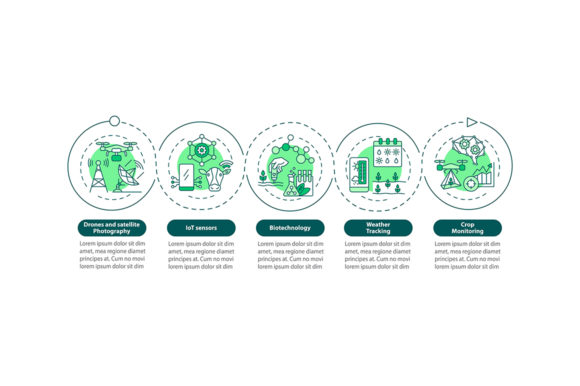
The Innovative Agriculture Technology vector infographic template includes a comprehensive set of design elements tailored for farm-related presentations. It features:
- Process timeline charts for showing planting to harvest cycles
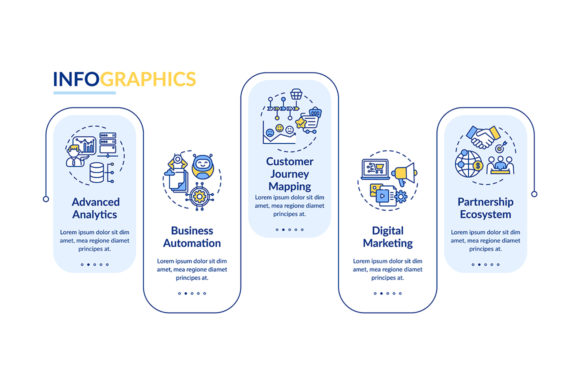
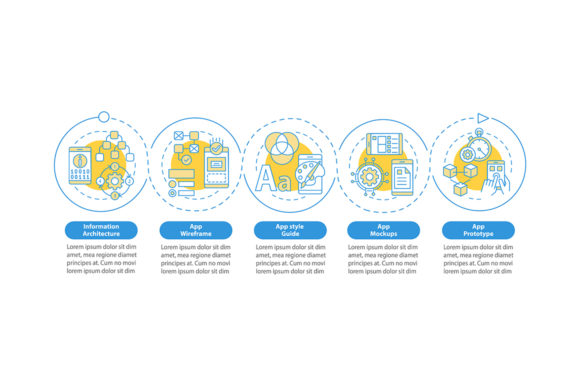
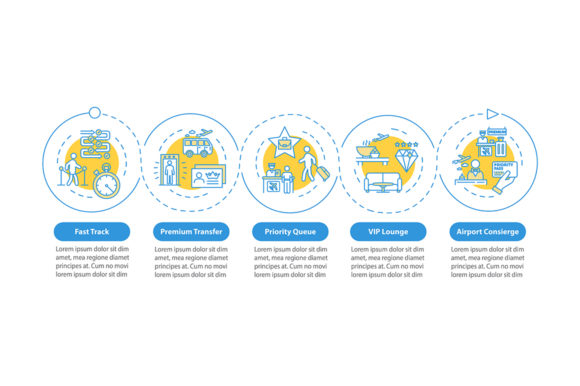
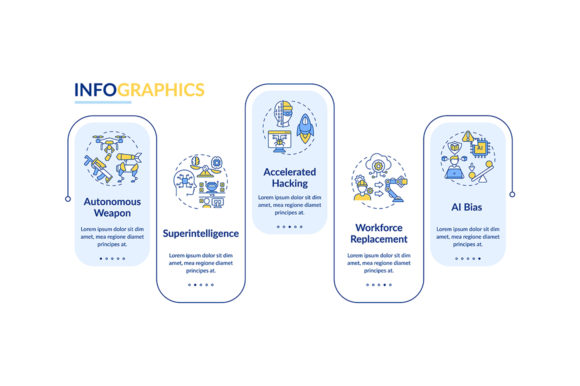
- Workflow layouts using clean, linear icons for step-by-step explanations
- Data visualization tools that simplify complex agricultural metrics
- Editable vector graphics compatible with EPS, AI, SVG, and standard image formats
These design components are not just visually appealing—they're functional. They allow users to create professional presentations without needing advanced graphic design skills. The templates support customization, enabling users to match brand colors, adjust layouts, and integrate with existing materials. This flexibility is especially useful for agricultural startups, educators, and marketing teams aiming to streamline their visual communication.
Real-World Performance and Usability
When evaluating the usability of Innovative Agriculture Technology in practical settings, it's clear that its strength lies in efficiency and clarity. For example, an agricultural consultant preparing a workshop on crop rotation can use the timeline chart to break down seasonal activities. Similarly, a university professor teaching sustainable farming techniques can use the workflow layout to illustrate irrigation system design steps.
The inclusion of multiple file formats (EPS, JPG, PNG, SVG, AI) ensures compatibility across design software. Users can scale graphics for posters, slides, or web pages without losing quality. This adaptability is crucial for professionals who need to repurpose content across different platforms.
However, like any design tool, there are learning curves. While the templates are user-friendly, some customization may require basic knowledge of vector editing software like Adobe Illustrator or Inkscape. Beginners may benefit from tutorials or collaboration with a designer to fully leverage the template's potential.
Who Benefits Most From This Technology?
Innovative Agriculture Technology is particularly valuable for:
- Educators and Researchers – Those who need to explain complex agricultural systems visually.
- Marketing Professionals – Teams creating presentations or promotional materials for farming equipment, seed suppliers, or agri-tech startups.
- Nonprofits and NGOs – Organizations focused on sustainable agriculture or rural development who rely on clear communication to engage stakeholders.
- Entrepreneurs and Startups – Founders pitching agricultural innovations to investors or partners and needing polished visuals to support their message.
If your work involves explaining agricultural processes, trends, or strategies, these templates can save time and improve the quality of your output. They are especially useful when presenting to audiences unfamiliar with technical farming terminology.
Quality and Long-Term Value Considerations
The quality of the Innovative Agriculture Technology template set is high, with clean lines, consistent icon styles, and well-structured layouts. The vector format ensures that graphics remain sharp at any size, which is essential for both print and digital use. The included JPG and PNG files offer quick access for those who don’t need to edit visuals but still want professional results.
In terms of long-term value, these templates are reusable across multiple projects. Unlike one-time-use graphics, they provide a scalable solution that grows with your content needs. This makes them a cost-effective choice for organizations that regularly produce agricultural content.
Still, it's important to assess whether the specific design elements align with your project goals. For instance, if your work involves highly technical data visualizations beyond the scope of the provided templates, you may need to supplement with custom graphics or additional tools.
Recommendations for Effective Use
To get the most out of Innovative Agriculture Technology, consider the following best practices:
- Start with a clear narrative – Know the story you want to tell before selecting visuals.
- Customize thoughtfully – Adjust colors and fonts to match your brand, but avoid over-editing.
- Use high-resolution outputs – Especially for printed materials or large-format displays.
- Combine with complementary tools – Use alongside data analysis platforms or presentation software for a complete workflow.
For those new to infographic design, pairing the template with a tool like Canva or PowerPoint can simplify the layout process. More experienced designers may prefer working directly in Adobe Illustrator to take full advantage of the vector format.
Final Thoughts: Is Innovative Agriculture Technology Right for You?
If you're involved in agricultural communication—whether through education, marketing, or consulting—Innovative Agriculture Technology offers a practical way to elevate your visual storytelling. Its combination of structured layouts, scalable graphics, and multi-format support makes it a versatile resource for professionals across the agricultural sector.
While it may not replace the need for custom design in every case, it provides a strong foundation for most standard agricultural presentations. When used effectively, these templates can help you communicate more clearly, engage your audience more deeply, and ultimately support better decision-making in the field of agriculture.