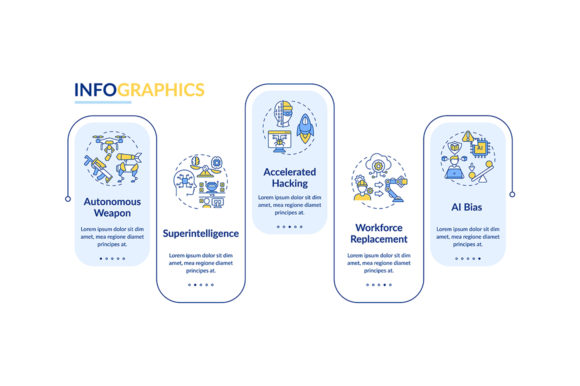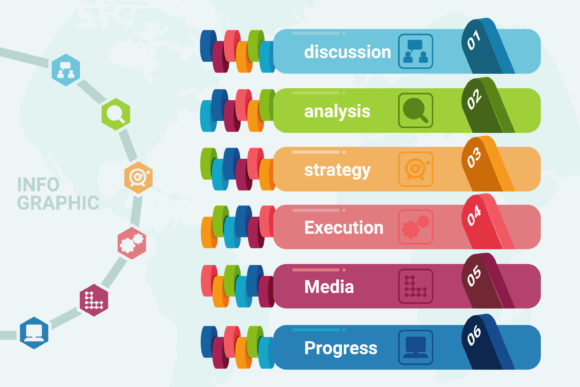
How Infographic Concept Vector Shapes Strategic Communication and Business Planning
In the evolving landscape of digital communication and strategic planning, visual tools have become essential for clarity, alignment, and impact. One such tool gaining traction among entrepreneurs, marketers, and decision-makers is the Infographic Concept Vector. This visual framework isn’t just about aesthetics—it’s a structured approach to translating complex ideas into digestible, shareable, and actionable content.
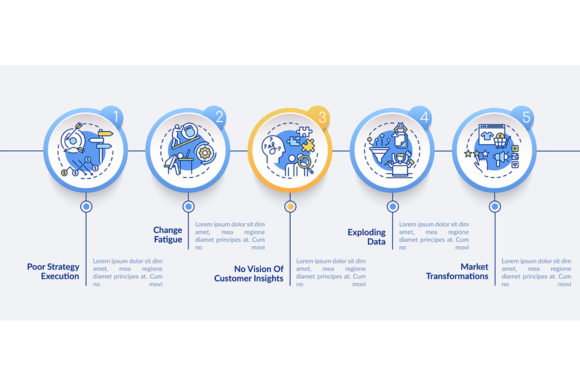
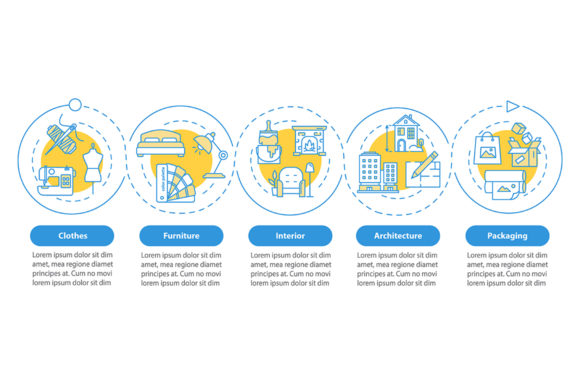
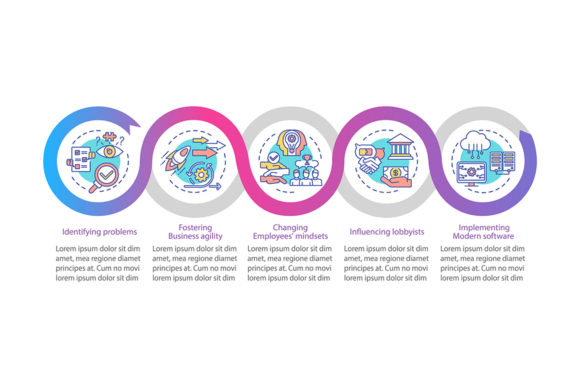
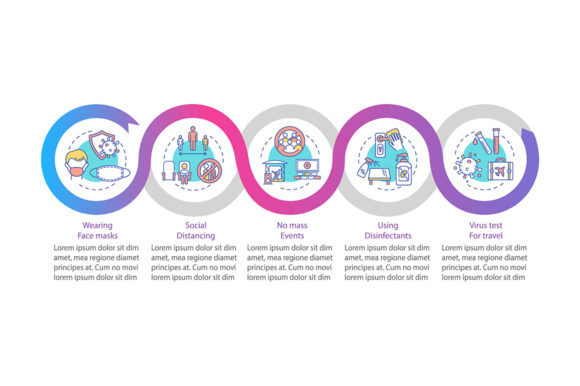
At its core, the Infographic Concept Vector is a design methodology that combines visual storytelling with strategic messaging. Unlike static images or generic templates, this concept integrates vector-based design elements with a deliberate flow of information. It’s used to represent data, processes, strategies, or narratives in a way that aligns with specific business goals and audience needs.
What makes the Infographic Concept Vector particularly powerful is its adaptability. Whether you're launching a new product, explaining a complex service, or mapping out a business strategy, this tool allows you to maintain both visual consistency and strategic clarity. The use of scalable vector graphics (SVG), EPS, AI, and PNG formats ensures that your visuals remain crisp and adaptable across different platforms and devices.
Why Strategic Use of Infographic Concept Vector Matters
Visual communication has moved beyond being a nice-to-have—it’s a necessity. The human brain processes visuals 60,000 times faster than text, making infographics a compelling way to convey messages quickly and effectively. However, not all infographics are created equal. The Infographic Concept Vector elevates this form by embedding intentionality into every visual element.
For example, when launching a new business initiative, simply presenting data in a chart format may not be enough. An Infographic Concept Vector allows you to layer context, highlight key outcomes, and guide the viewer’s attention through a logical flow. This approach supports better decision-making by ensuring that the audience understands not just the “what” but also the “why” and “how.”
Marketers and educators, in particular, benefit from this structure. Whether you're creating a campaign timeline, a customer journey map, or a learning module, the Infographic Concept Vector helps you align visual elements with strategic milestones. This leads to improved retention, engagement, and action.
Planning and Positioning: Getting the Most from Infographic Concept Vector
Before diving into design, it’s crucial to define your objectives. Ask yourself: What message do I want to communicate? Who is my audience? What action should they take after viewing this infographic? These questions help shape the direction and structure of your Infographic Concept Vector.
Consider the example of a small business owner looking to explain their product development process. Instead of listing steps in bullet points, they can use a vector-based flowchart that visually represents each phase, key stakeholders involved, and expected outcomes. This not only makes the process easier to understand but also reinforces the brand’s professionalism and transparency.
When positioning your Infographic Concept Vector, think about where it will be used. Will it be embedded on a website, shared on social media, or printed for a presentation? Each format may require adjustments in layout, color scheme, and detail level. The flexibility of vector formats like SVG and EPS allows for easy customization without compromising quality.
Use Cases Across Industries and Roles
The Infographic Concept Vector is not limited to a single industry or use case. Here are a few practical applications across different professional domains:
- Entrepreneurs: Use it to map out business models, funding timelines, or growth strategies.
- Marketers: Visualize customer journeys, campaign performance metrics, or content calendars.
- Educators: Break down complex theories, historical timelines, or scientific processes into digestible visuals.
- Freelancers: Showcase portfolio highlights, service packages, or workflow processes to potential clients.
- Small Business Owners: Illustrate internal processes, team structures, or operational workflows to improve clarity and efficiency.
Each of these scenarios benefits from a structured visual approach that aligns with strategic goals. The key is to ensure that every visual element serves a purpose—whether it’s guiding the viewer’s eye, reinforcing a key message, or simplifying a complex idea.
Choosing the Right File Format for Your Infographic Concept Vector
When creating an Infographic Concept Vector, selecting the appropriate file format is critical. Each format offers unique advantages:
- JPG: Best for final output with high compression and compatibility across platforms.
- PNG: Ideal for transparent backgrounds and high-quality visuals without compression loss.
- EPS: Suitable for print and scalable vector graphics that maintain quality at any size.
- SVG: Perfect for web use due to scalability and compatibility with responsive design.
- AI (Adobe Illustrator): Useful for editable source files, allowing for future modifications and refinements.
Understanding these formats helps ensure that your Infographic Concept Vector remains effective across different mediums and use cases. For example, if you're publishing on a website, SVG is often the best choice for responsiveness. If you're printing marketing materials, EPS or high-resolution PNG files will preserve quality.
Strategic Considerations Before Implementation
While the Infographic Concept Vector offers numerous benefits, it’s not a one-size-fits-all solution. Before implementing this approach, consider the following factors:
- Audience Needs: Does your audience prefer visual over textual content? Will a visual explanation enhance understanding or overwhelm them?
- Message Clarity: Are you simplifying a complex topic or merely rearranging information without purpose?
- Brand Consistency: Does the visual style align with your brand guidelines, including colors, fonts, and tone?
- Technical Requirements: Will the file format support your intended use across platforms and devices?
- Long-Term Use: Can the infographic be updated or repurposed as your strategy evolves?
By answering these questions, you can avoid the common pitfall of creating visually appealing but strategically misaligned infographics. The goal is to enhance communication, not just decorate content.
Avoiding Common Pitfalls and Misuses
One of the biggest risks of using the Infographic Concept Vector without strategic intent is oversimplification or misrepresentation. Visuals can be powerful, but they can also be misleading if not grounded in accurate data and clear messaging.
For instance, representing complex financial data in a simplified chart without context can lead to misunderstandings or misinterpretations. Similarly, using an overly stylized design might distract from the core message rather than reinforce it.
To avoid these issues, always start with a clear narrative. Define the key message, supporting points, and desired outcome before designing. Use visuals to enhance understanding, not replace it. Additionally, ensure that any data represented is accurate, properly sourced, and clearly explained.
Maximizing Long-Term Value with Intentional Design
The most effective Infographic Concept Vectors are those that are designed with long-term value in mind. This means thinking beyond the immediate use and considering how the visual can be adapted, reused, or expanded upon in the future.
For example, a well-designed customer journey map can be repurposed for training materials, sales presentations, and internal strategy sessions. A product roadmap infographic can be updated quarterly to reflect progress and milestones. By building flexibility into your design, you increase its utility and reduce the need for constant redesign.
Additionally, maintaining a library of reusable vector elements—such as icons, charts, and layout templates—can streamline future projects. This not only saves time but also ensures consistency in your visual communication over time.
Final Thoughts: Making Infographic Concept Vector a Strategic Asset
In today’s fast-paced digital environment, the ability to communicate clearly and effectively is a competitive advantage. The Infographic Concept Vector offers a powerful way to turn complex ideas into strategic assets that drive engagement, understanding, and action.
Whether you're an entrepreneur refining your pitch, a marketer planning your next campaign, or a professional simplifying internal processes, integrating this visual strategy into your workflow can lead to better decision-making and more impactful communication. By approaching it with intention, clarity, and adaptability, you ensure that your visuals do more than just look good—they deliver real value.